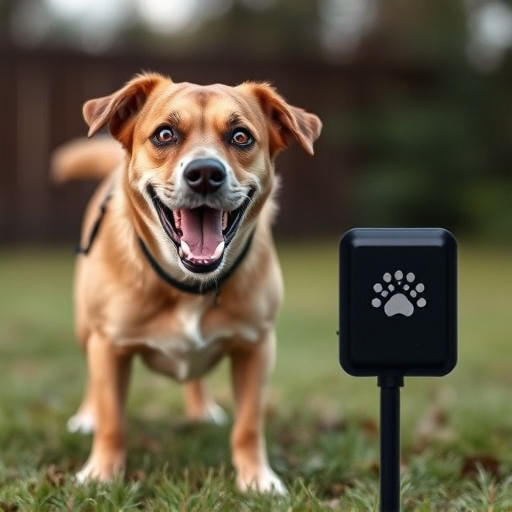
Understanding that traditional training often fails to address deep-rooted aggression in dogs, handheld sonic bark control devices disrupt communication and sensory perception using ultrasonic sound waves (above 20 kHz) without causing harm. Efficacy varies based on device features like dog repellent modes, adjustable frequency ranges, and intensity level controls, which allow customization to the dog's sensitivity. Success depends on correct application, timing, and addressing root causes of barking such as fear or boredom. Combining these devices with positive reinforcement techniques and keeping training sessions short, consistent, and positive is crucial for effective management of aggressive pets in various environments.
“Unleash a quieter, safer environment with a handheld sonic bark control device—a powerful tool for managing aggressive pet behavior. This comprehensive guide delves into the world of canine deterrents, offering insights on understanding and addressing excessive barking. From the science behind these devices to training tips, we explore why and how these tools can act as dog repellents, providing effective modes of control without causing harm. Discover the key features to consider and unlock a peaceful coexistence for you and your pet.”
- Understanding Aggressive Pet Behavior: Why a Handheld Sonic Bark Control Device Might Be Necessary
- The Science Behind Sonic Bark Devices: How They Work and Their Efficacy
- Features to Consider When Choosing the Best Handheld Sonic Bark Control Device for Your Dog
- Training and Safety Tips: Effective Use of Sonic Bark Devices to Curb Aggressive Behavior
Understanding Aggressive Pet Behavior: Why a Handheld Sonic Bark Control Device Might Be Necessary
Understanding aggressive pet behavior is crucial when considering a handheld sonic bark control device as a solution. Dogs may exhibit excessive barking due to fear, anxiety, or territorial instincts, often leading to distress for both the animal and its owners. Traditional training methods sometimes fall short in addressing deep-rooted behavioral issues, especially with highly reactive or aggressive pets. In such cases, dog repellent modes using sonic technology can be a game-changer.
These devices emit high-frequency sound waves that are inaudible to humans but can effectively disrupt an animal’s communication and sensory perception. By targeting specific bark patterns, the device can train dogs to associate certain behaviors with unpleasant sensations without causing harm. This humane approach can help modify aggressive reactions, making it a popular choice for pet owners seeking alternative solutions to manage their dog’s behavior, especially in public spaces where traditional training might not be effective.
The Science Behind Sonic Bark Devices: How They Work and Their Efficacy
The science behind handheld sonic bark control devices revolves around their ability to emit high-frequency sound waves, often in the ultrasonic range (above 20 kHz), which are inaudible to humans but disruptive to dogs. These devices work by triggering a response from a dog’s sensitive hearing when it barks excessively. The ultrasonic sounds can either startle the dog or communicate discomfort, encouraging them to stop barking.
The efficacy of these devices varies based on factors like the device’s power output, frequency range, and consistency in use. Some models offer different settings for training purposes, including various dog repellent modes designed for aggressive pets. While they can be effective in reducing unwanted barking, it’s crucial to note that they are not a cure-all. Success depends on proper usage, timing, and addressing the underlying causes of excessive barking, such as fear, anxiety, or boredom.
Features to Consider When Choosing the Best Handheld Sonic Bark Control Device for Your Dog
When selecting a handheld sonic bark control device, several key features determine its effectiveness in training your dog. Firstly, consider the different dog repellent modes offered. Many advanced devices provide multiple settings, from ultrasonic sounds to vibration and light stimuli, allowing you to tailor the response to your dog’s sensitivity and barking intensity. This is particularly useful for aggressive pets, as it prevents overstimulation or desensitization.
Additionally, look for a device with adjustable frequency ranges and control over intensity levels. These adjustments ensure that the device can be tailored to your dog’s unique needs, making it more likely to be effective without causing discomfort. Some models even offer remote control functionality, allowing you to activate or deactivate the device from a distance, which is handy during training sessions or when managing persistent barking in various environments.
Training and Safety Tips: Effective Use of Sonic Bark Devices to Curb Aggressive Behavior
Training and Safety Tips for Effective Use of Sonic Bark Devices
When using a handheld sonic bark control device, it’s crucial to understand that these tools are most effective when combined with positive reinforcement training techniques. Start by teaching your dog basic commands like “sit” and “stay” using treats and praise. Once your dog responds consistently, introduce the sonic mode as a reward for good behavior—activate the device when your dog follows a command correctly, making it an associative learning experience. This helps condition your dog to associate certain behaviors with the sonic tone rather than aggression or fear.
Safety is paramount when using any dog repellent mode. Always ensure the device is set at a safe level for your pet; excessive volume can cause discomfort and potentially harm sensitive hearing. Never use the device as a sole method of training, as it’s most successful when integrated with other positive reinforcement techniques. Keep sessions short and consistent, ending on a positive note to reinforce good behavior. Regular practice in controlled environments gradually helps curb aggressive tendencies, transforming your dog into a calmer, more responsive companion.
Handheld sonic bark control devices offer a non-lethal, effective solution for managing aggressive pet behavior. By understanding your dog’s triggers and utilizing these tools responsibly, you can find the right balance between discipline and affection. Remember, consistent training and positive reinforcement are key to success. With the right device and approach, you can transform your dog’s behavior and create a happier, safer environment for everyone. Incorporating dog repellent modes into your training regimen allows for effective management of aggressive tendencies, ensuring a harmonious relationship with your pet.