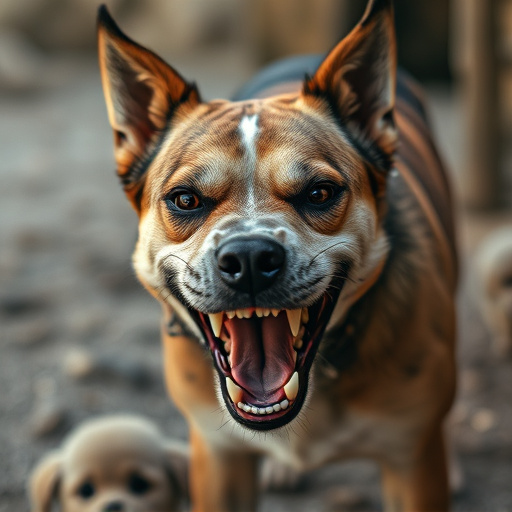
Understanding dog aggression is crucial for management. Dog Repellent Modes include training, behavioral mods, and equipment like sonic deterrents and ultrasonic technology, which safely use inaudible sound waves to prevent aggression. Training focuses on positive reinforcement, reward systems, and redirecting aggressive impulses. Sonic deterrents, strategically placed, combine with visual cues and timed activation for comprehensive solutions, enhancing safety for pets and humans.
“Dog aggression towards walkers is a common concern, but effective solutions exist in the form of sonic dog deterrents. This article delves into understanding canine behavior and the need for repellents, especially for aggressive pets. We explore ultrasonic technology as a safe and efficient mode of control, offering a non-confrontational approach to address walking protection issues.
Additionally, we provide insights on training methods and best practices to enhance the effectiveness of sonic deterrents, ensuring peaceful walks for both dogs and their owners.”
- Understanding Dog Aggression and Repellent Needs
- Ultrasonic Technology: Safe and Effective Modes
- Training and Behavioral Approaches to Complement Devices
- Best Practices for Implementing Sonic Dog Deterrents
Understanding Dog Aggression and Repellent Needs
Dogs, like any animals, have their own unique behaviors and needs. When it comes to aggression, understanding the root cause is crucial in addressing the issue effectively. Dog aggression can stem from various factors such as fear, territorial instincts, or past trauma, often leading to protective behavior that may include barking, growling, or even physical attacks. For pet owners dealing with aggressive dogs, implementing appropriate repellent modes becomes essential for both their safety and that of others around them.
Knowing the specific Dog Repellent Modes tailored for aggressive pets is key. These strategies can range from training and behavioral modifications to the use of specialized equipment. For instance, positive reinforcement training methods teach dogs alternative behaviors while desensitizing them to triggers. On the other hand, sonic deterrents utilize high-frequency sound waves to disrupt a dog’s comfort zone without causing harm, acting as a gentle yet effective repellent. Each mode offers a unique approach to addressing aggression, ensuring a safer and more harmonious environment for both pets and their owners.
Ultrasonic Technology: Safe and Effective Modes
Ultrasonic technology, a safe and effective mode of dog deterrent, has gained popularity as a non-lethal solution for aggressive pets. This innovative approach emits high-frequency sound waves that are inaudible to humans but irritant to dogs, prompting them to avoid specific areas. Unlike traditional methods that rely on shock or force, ultrasonic dog repellents offer a humane alternative, ensuring the well-being of both pets and their owners.
For dog owners dealing with aggressive behavior, these devices provide a strategic approach to training and protection. The ultrasonic modes can be adjusted to cater to different situations, offering low, medium, or high intensity levels. This flexibility allows pet parents to tailor the deterrent to their dog’s sensitivity and the severity of the issue, making it a versatile tool for managing behavioral challenges without resorting to harsher measures.
Training and Behavioral Approaches to Complement Devices
Training and behavioral approaches play a significant role in complementing dog deterrent devices, especially for aggressive pets. By understanding canine behavior, owners can employ various techniques to modify their dog’s response to stimuli that trigger aggression. Positive reinforcement training is a popular method where dogs are rewarded for desired behaviors, encouraging them to associate certain sounds or sights with calmness and compliance. This can be particularly effective in desensitizing the animal to potential threats over time.
Additionally, redirecting and substituting aggressive impulses are valuable strategies. Training sessions should focus on teaching alternative behaviors, such as sitting, staying, or looking away, when the dog senses a potential trigger for aggression. Consistent training, patience, and positive reinforcement create an environment where dogs learn new responses, ultimately reducing their reliance on defensive or offensive modes.
Best Practices for Implementing Sonic Dog Deterrents
Implementing sonic dog deterrents effectively requires a strategic approach, especially when dealing with aggressive pets. Firstly, identify the specific areas where dogs tend to trespass, such as gardens or public spaces, and install devices at entry points and along perimeters. These zones should be equipped with both motion sensors and adjustable frequency settings to cater to varying canine sensitivity. Regular testing ensures the device operates within safe limits for animals while remaining effective.
Additionally, consider combining sonic deterrents with visual cues, like flashing lights or reflective signs, which can startle dogs without causing harm. Training owners and bystanders to activate these devices at specific times can also be beneficial. For instance, using them during known peak dog hours or when aggressive encounters are more probable. Dog repellent modes should complement existing training methods for a comprehensive solution to keep both pets and humans safe.
Sonic dog deterrents offer a safe, non-lethal solution for addressing aggressive pet behaviors. By understanding dog aggression and combining technological approaches with training methods, owners can effectively protect themselves while walking their pets. Ultrasonic technology provides various repellent modes, ensuring comfort and safety without causing harm. Best practices include consistent use, proper training, and choosing devices suited to your dog’s needs. When used responsibly, sonic deterrents can revolutionize walks for both dogs and their owners, fostering a harmonious coexistence with our furry friends.